
5 min read
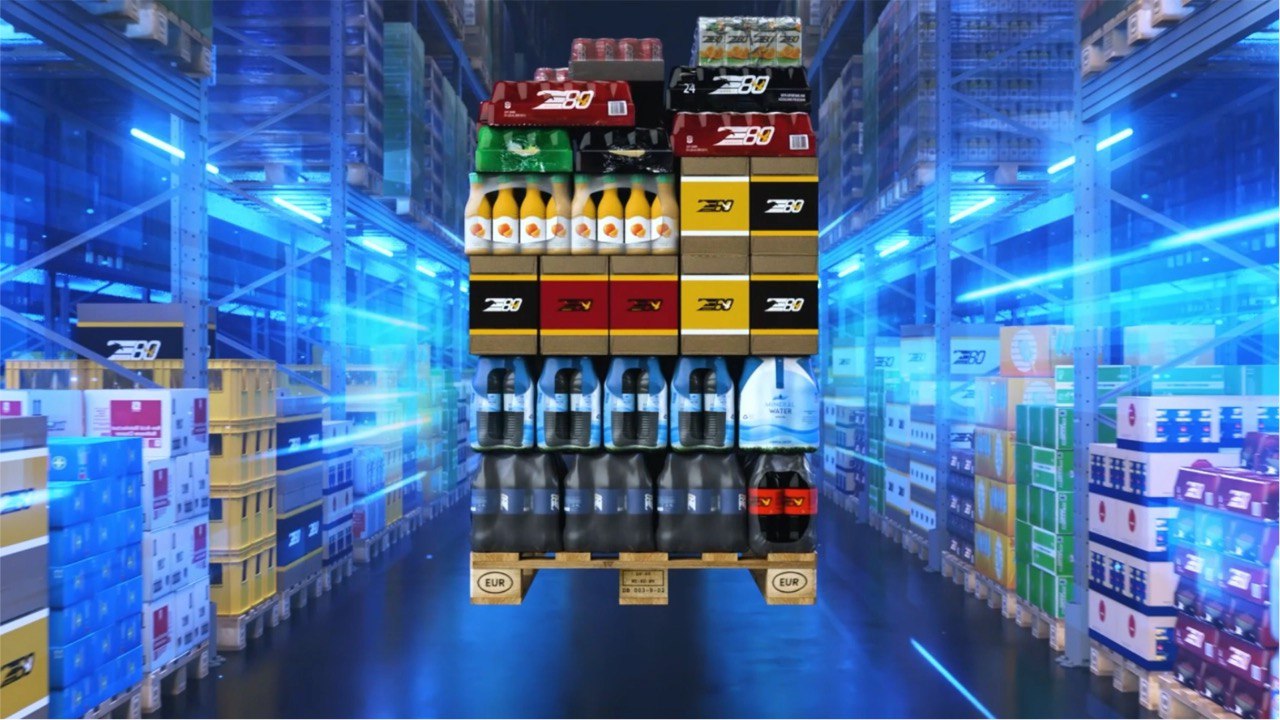
Distribution Centers are evolving beyond traditional functional roles within the supply chain, becoming high-performance systems where data, automation, and control logic converge to drive measurable performance. As volatility in demand patterns intensifies and service expectations compress lead times, the ability to orchestrate flows with precision becomes a defining competitive factor. In this context, flexibility and real-time system visibility are no longer sufficient to differentiate performance, but remain essential to ensure operational continuity. Leading organizations are therefore shifting from fragmented, technology-driven upgrades to fully integrated intralogistics environments, where software, robotics, and analytics operate as a coordinated system. This approach enables synchronization across activities, consistency in execution, and continuous optimization over time, transforming the DC into a scalable and adaptive asset rather than a static infrastructure.
THE NEW OPERATIONAL LANDSCAPE OF DCs
Automation in distribution centers
The operational landscape of Distribution Centers is undergoing a fundamental transformation driven by three converging forces: the rapid expansion of product assortments, omnichannel complexity, and the progressive reduction of delivery lead times.
The exponential increase in product variety, combined with the rise of hybrid distribution models - such as dark stores and advanced last-mile configurations - has introduced a level of variability that traditional systems are no longer able to absorb efficiently.
In parallel, service-level expectations continue to rise, leaving less room for inefficiencies and requiring more consistent and predictable execution. In this context, digitalization is no longer an incremental improvement, but the foundation of process consistency. The transition toward integrated, data-driven intralogistics systems enables not only higher throughput and accuracy, but also greater process stability. Sustainability further reinforces this transformation, shifting from a compliance requirement to an operational lever that directly impacts efficiency, safety, and resource optimization.
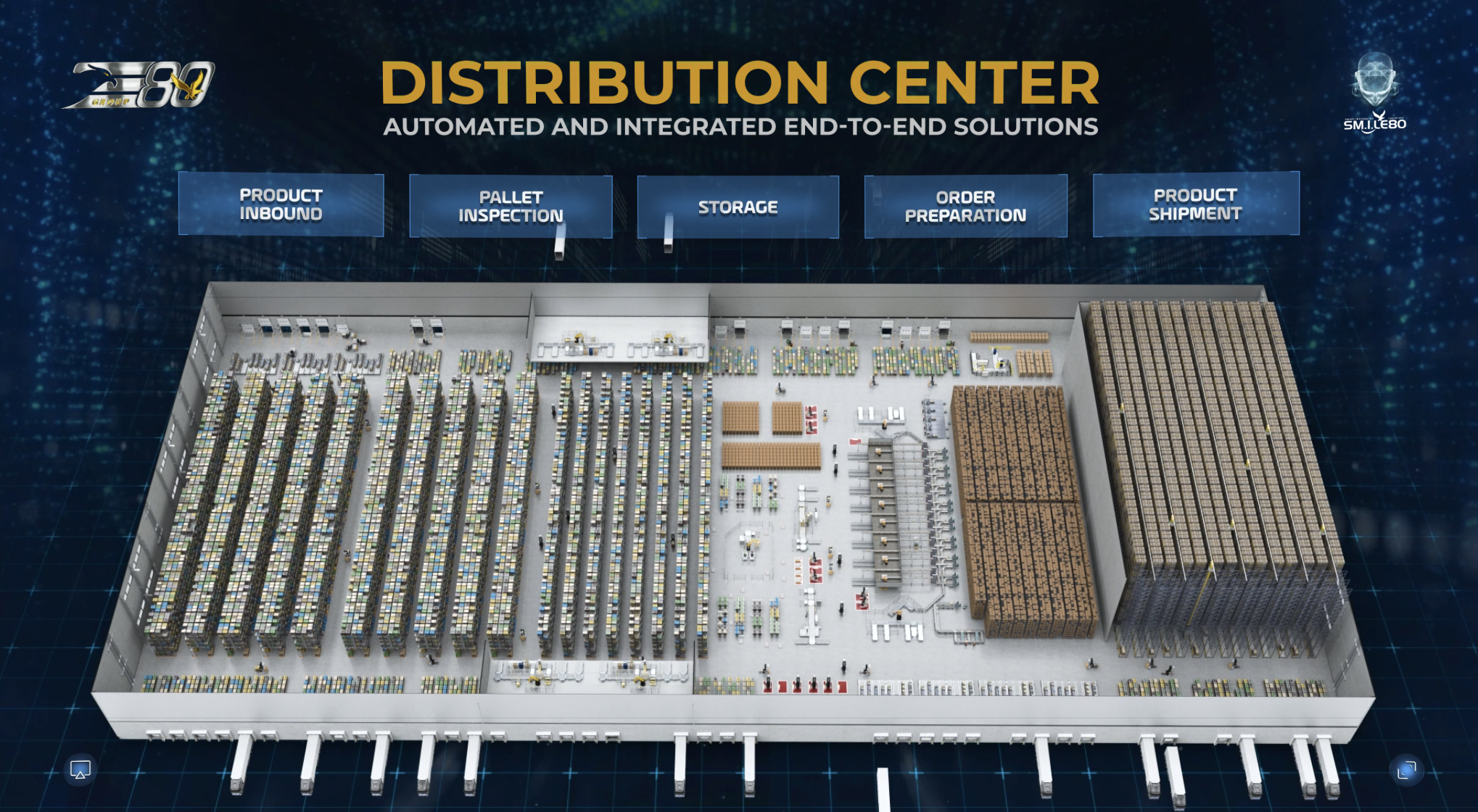
How to optimize the management of a distribution center? Read more here.
CURRENT AND FUTURE BUSINESS RISKS
The risk of losing competitiveness in light of automation
One of the most significant risks during this transition is the accelerated erosion of competitiveness. While scale once represented an advantage, today operational speed and adaptability define market leadership. Distribution centers dependent on manual or partially digitalized activities are increasingly exposed to market pressure, often leading to declining service levels. Structural constraints, technological gaps and socio-environmental challenges make a shift in operational mindset unavoidable. Within this context, customized logistic automation initiatives become essential for every company. Given implementation timelines ranging from twelve to thirty months - depending on project scope and complexity - delaying automation investments poses a real risk to the viability of any distribution center.
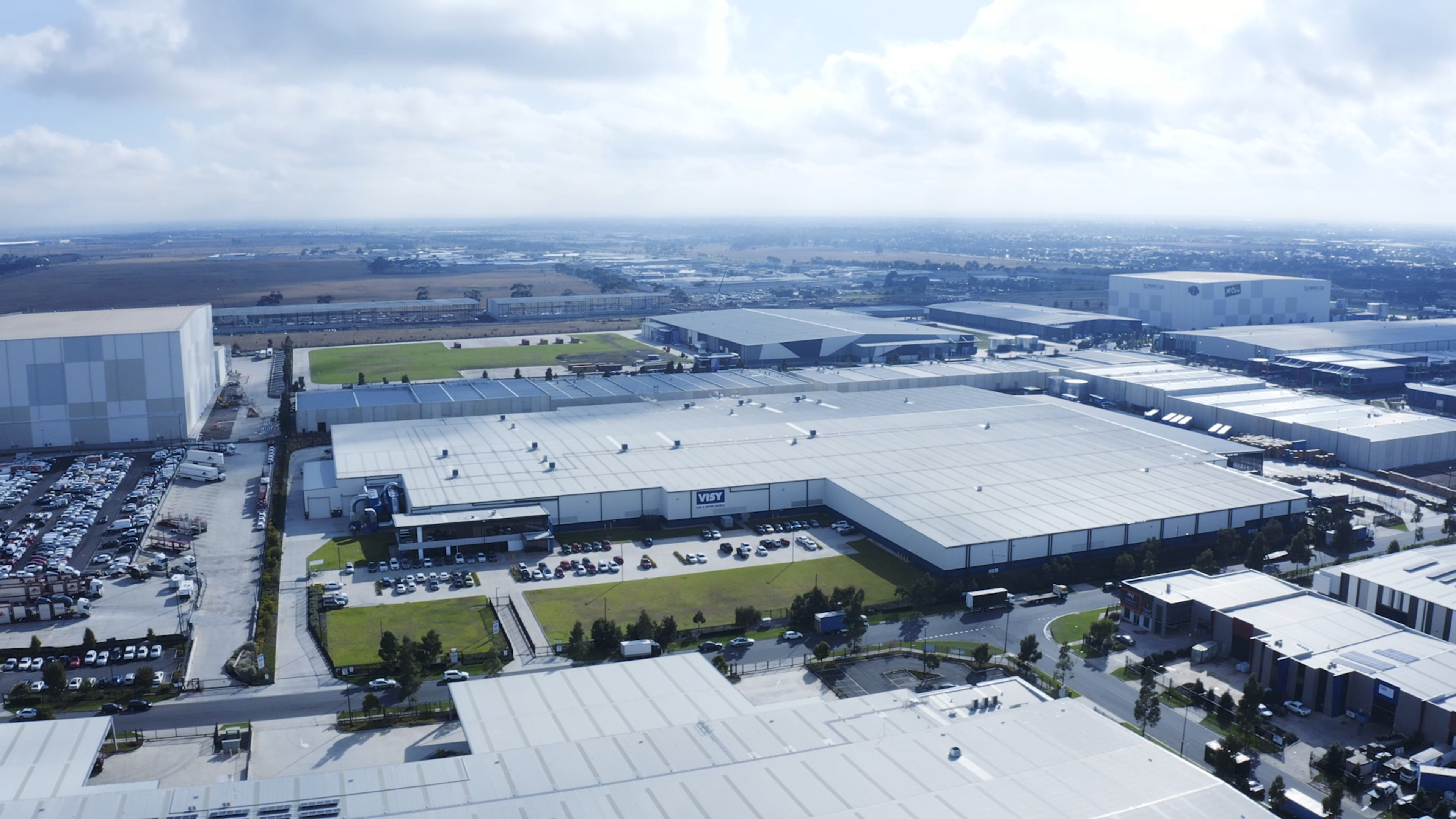
Read the success business story of Visy distribution center, in Australia.
TECHNOLOGY TO MITIGATE RISKS
Technological innovation has shifted from an enabling factor to the central axis of intralogistics strategy. The competitive advantage no longer lies in isolated technologies, but in the ability to integrate software intelligence, robotics, and process control into a unified model. For years, E80 Group has focused on technological research aimed at automating and integrating the majority of Distribution Center operations. This approach applies to both existing facilities (brownfields) and newly developed ones (greenfields), ensuring both efficiency and safety, delivering optimized performance and traceability of material flows. In a context where responsiveness is critical, flexibility, scalability, and the ability to evolve over time become defining characteristics of modern Distribution Centers.
THE TECHNOLOGICAL FUTURE AND CHALLENGES TO FACE
The rapid advancement of artificial intelligence and neural network–based software is accelerating the evolution of intralogistics operations, improving execution speed and consistency across increasingly complex environments. Within this context, automation acts as the enabling layer for end-to-end process digitalization, ensuring continuity, traceability, and real-time system visibility.
Advances in connectivity, cloud computing, and analytics technologies now allow information to be processed with high speed and consistency, while AI-based tools enhance system responsiveness and operational efficiency. Industrial environments are evolving into integrated systems in which automation, robotics, and software coordinate material flows while continuously optimizing performance through centralized control and data-based logic. In this perspective, intralogistics evolve into scalable, coordinated systems designed to manage variability, maintain stability, and improve performance over time.
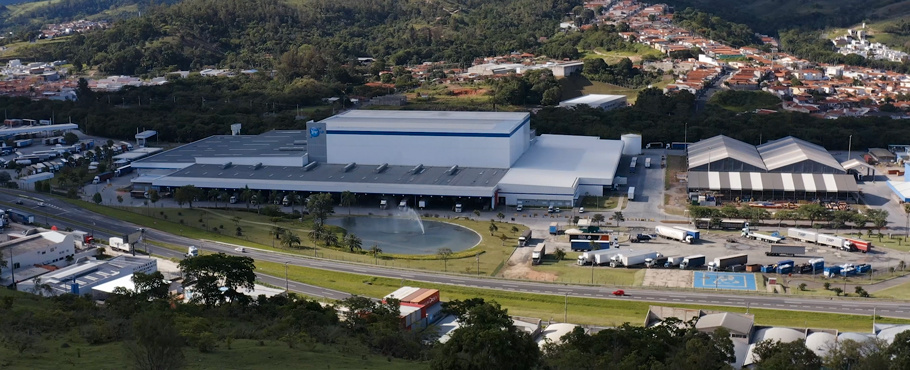
Read the success business story of Ypê distribution center, in Brasil.
E80 GROUP'S SOLUTIONS FOR THE DISTRIBUTION CENTERS OF THE FUTURE
E80 Group’s value proposition lies in its ability to deliver fully integrated intralogistics ecosystems, where proprietary software acts as the orchestration layer across all processes - both automated and manual. It has been developed and continually improved over 45 years of market experience that led the company to the current management of more than 450 automated factories and distribution centers, covering every phase of the process while providing continuous technical assistance throughout the entire system lifecycle. Laser Guided Vehicles (LGVs) are automated systems designed to optimize material handling in manufacturing plants and distribution centers, combining reliability and flexibility.
Fully integrated within E80 Group’s intralogistics solutions, LGVs autonomously manage pallet flows from receiving through storage to shipping, ensuring accurate and timely material movements across the facility. Through precise navigation, real-time coordination with the SM.I.LE80 software platform, and integration with third-party systems, LGVs ensure full traceability, continuous operations, and consistent performance, while reducing errors, handling times, and overall operating costs.

Inbound and Internal Logistics
Operations begin with the inbound of finished goods. Automated truck unloading performed by LGVs enables precise and secure pallet handling, significantly reducing vehicle dwell times and supporting uninterrupted material flows. Once pallets move from inbound areas to internal logistics via exchange bays, inspections such as quality checks, label validation and pallet weight verification are carried out without disrupting operational continuity. In parallel, empty pallets undergo comprehensive quality assessment through a combination of mechanical checks and advanced vision systems.
STORAGE SOLUTIONS
E80 Group offers highly automated storage solutions, delivering excellent density and flexibility, combined with higher safety performance, reduced damage to infrastructures and energy saving.
Two primary storage configurations are available:
• Warehousing solutions in which LGV fleets manage unit loads in and out of single-, double-, or multi-deep racking systems.
• Automated Storage and Retrieval Systems (AS/RS) featuring pallet cranes or pallet multi-shuttle technologies (CraneStore, SmartStore and 4Ways pallet shuttle Store)
AUTOMATED ORDER PICKING
The Group upgrades order preparation through sophisticated layer and case picking solutions fully synchronized with robotics. The integration of AS/RS systems for case handling - developed also through the collaboration with Exotec - allows high-throughput management of diverse product assortments and accurate preparation of store-specific orders. This strategy supports the expansion of E80 Group’s products portfolio capable of delivering flexibility, scalability and bottleneck mitigation. These operations are orchestrated through robotic “goods-to-picker” case picking technologies. In parallel, we developed a robot-to-goods solution designed for both brownfield and greenfield plants, without requiring heavy structural modifications. The vehicle can pick different items from both sides thanks to a special gripper. To enhance flow efficiency, scalability and throughput, the vehicle incorporates an onboard accumulation and reordering buffer, along with a dedicated platform for handling interlayers retrieved from mono-SKU pallets. The process ends with Automatic Truck Loading that allows a flexible and modular dock configuration without the need for pre-staging areas or fixed infrastructure. It's designed to scale easily, simply by adding new LGVs over time. Bottlenecks are prevented thanks to interchangeable LGV missions, ensuring continuous operations. And all of this is achieved with one non negotiable priority: total safety.
A TRUSTED PARTNER FOR DIGITAL TRANSFORMATION
E80 Group stands as a reliable reference in the intralogistics sector. Beyond the design and implementation of automated and integrated systems, the company delivers highly specialized consulting services supported by advanced simulation tools. These capabilities allow process optimization to be carried out even before system deployment, achieving reliability levels of up to 95%. With continuous 24/7 support, both remotely and on-site, our Group guides customers throughout their digital transformation journey. This expertise, built on shared experience and consolidated know-how, enables companies to achieve sustainable success in an increasingly competitive global market.
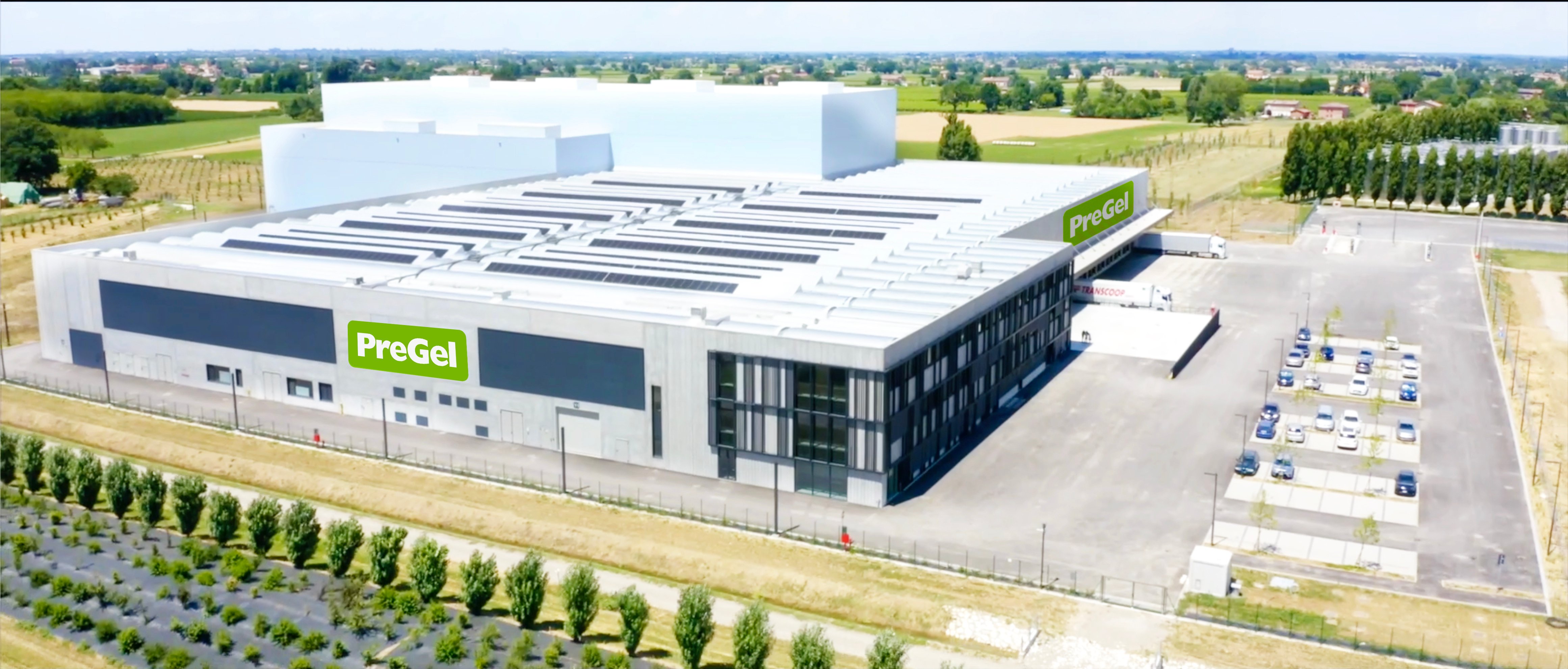
Read the business success story of PreGel logistics center 4.0, in Italy.
If you wish to learn more do not hesitate to reach out to us: